
Christie Heart and Brain Program
Heart and Brain Center
The heart as a window to the brain to detect and protect against heart and brain disorders
With longer life expectancy comes a higher risk of developing chronic diseases among which, Heart Failure and Alzheimer’s Disease stand out as modern threatens
Data graphs illustrating the parallel prevalence of heart failure and Alzheimer’s disease
Data modified from alzint.org and cfrjournal.comOur discovery that these conditions can coexist in the same person is alarming for society and deeply unsettling for patients and their families.
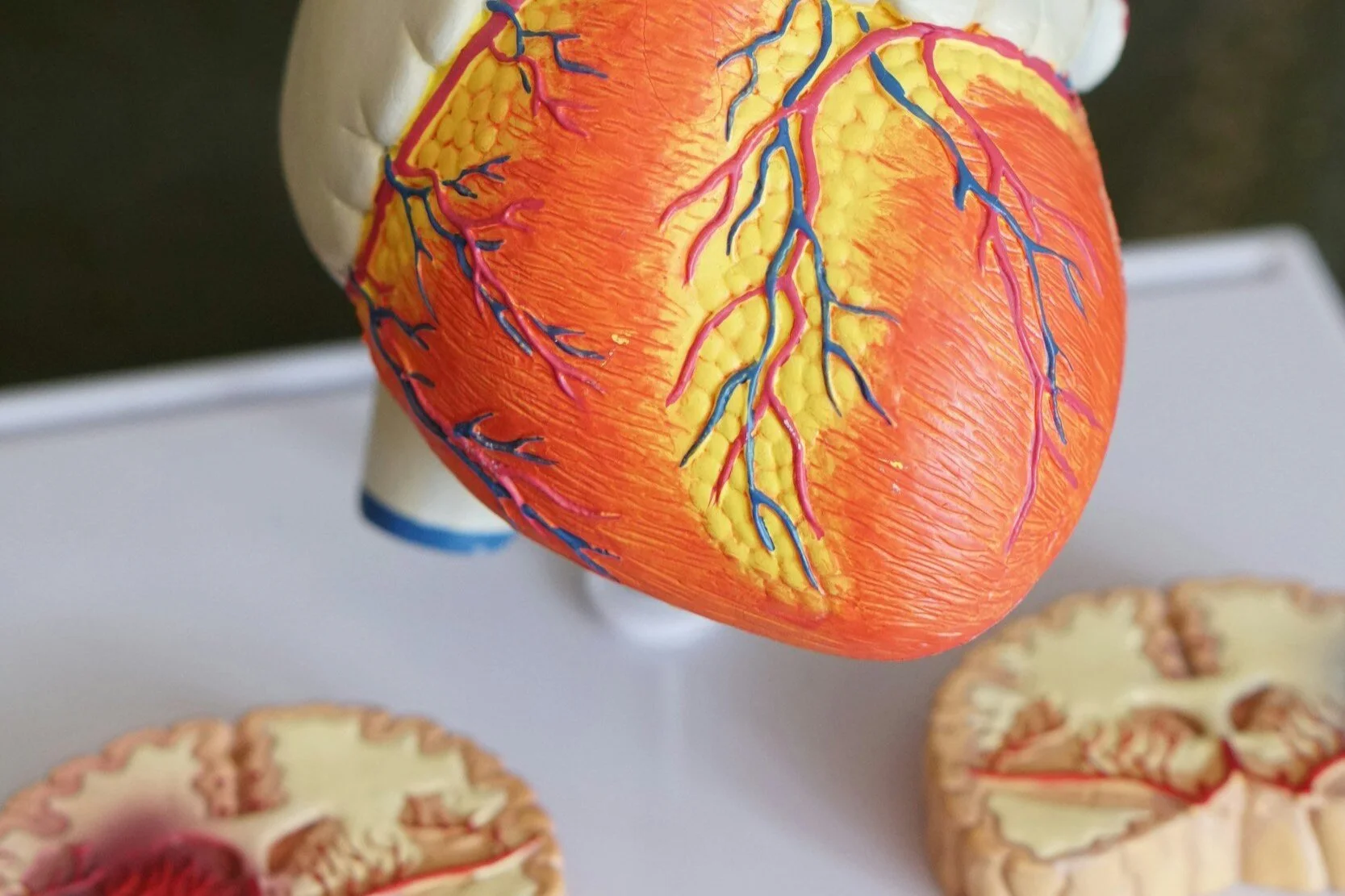
Proteins are the building blocks of living cells.
If damaged, they can precipitate in clumps called “amyloid”.
Amyloid is the root cause of Alzheimer's disease in the brain. We've found that the same type of precipitate exists in the heart.
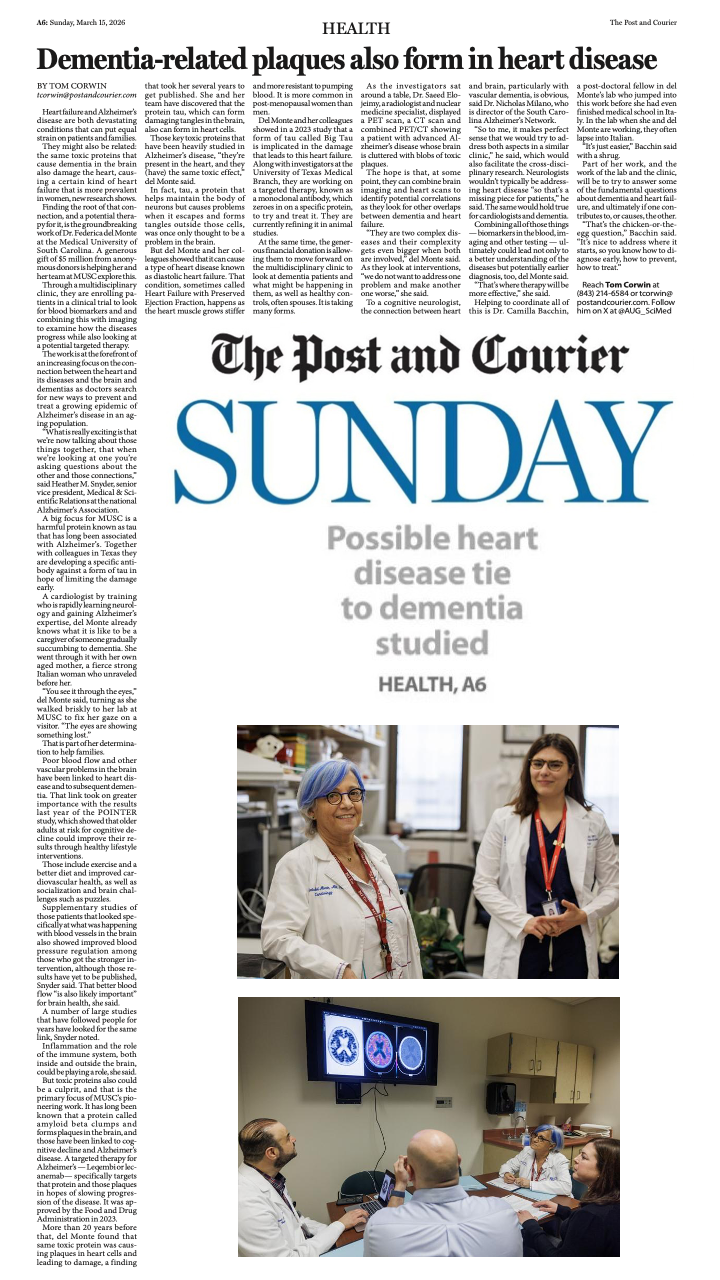
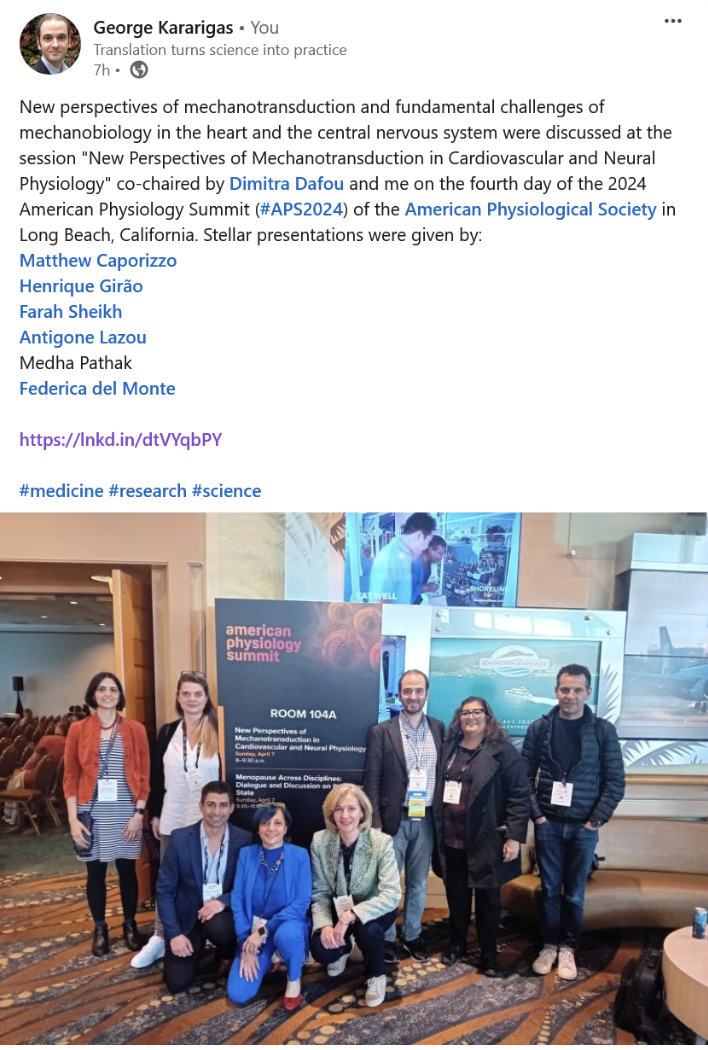
In the News

Our programs
Clinical studies
Exercise, besides being linked to healthier habits and overall well-being, helps strengthen the heart and significantly boosts memory and learning abilities. Because of this, exercise is actively studied as a promising way to prevent and slow down the progress of Alzheimer’s disease and Heart Disease individually, making it a vital component of maintaining brain and heart health together.
To combat the pernicious effects of these common disease states we brought together a multi-disciplinary team of research scientists, specialists in heart failure, Alzheimer’s, and imaging in an integrated center devoted to the study of the origin, diagnosis, and finding treatments for protein-clump-inducing diseases.
We are currently enrolling patients and healthy volunteers to help us understand how those two diseases arise and how they are connected.
Translational studies
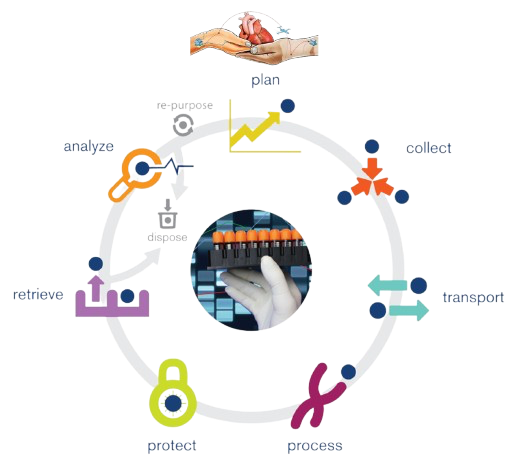
Bench to bedside - back to bench
How discoveries move from the laboratory to patient care and back again—advancing understanding of heart and brain conditions.
Human tissues collection

We collect hearts and brains that otherwise will be discarded from clinical or surgical procedures. Our Biorepository banks highly preserved tissue with annotated clinical data that we use to investigate protein composition and molecular changes. Tissue is also provided to investigators worldwide for studies on any form of cardiovascular disease.
We also bank blood, plasma, and urines to identify biomarkers for early detection of diseases.
Swimming in a pool as part of cardiovascular health and wellness activity.

Support
our research
